
Effective Massage for Tension Headaches: A Step-by-Step Guide
Ever felt that tight band of pressure behind your eyes after a long Zoom call, and wondered if there's a better fix than another cup of coffee?
You're not alone. Those throbbing tension headaches are often just your neck and shoulder muscles throwing a tantrum, and they love to show up right when you need to focus.
In our experience at Intuitive Balance, we see professionals in Raleigh walking in with that exact complaint, and a well‑targeted massage for tension headaches can be the game‑changer they didn’t know they needed.
Think about it this way: a skilled therapist uses gentle, deep‑tissue strokes to release the knots that compress the nerves feeding the scalp. When those knots melt, the pain wave usually eases, and you get back that clear headspace.
But how does it actually work? The key is addressing the upper trapezius, levator scapulae, and the suboccipital muscles—those three culprits that lock up when you sit hunched over a laptop.
So, what should you look for in a session? First, a therapist who asks about your daily habits—how many hours you stare at screens, how often you take breaks. Second, a blend of Swedish strokes to warm up the tissue followed by focused deep‑tissue pressure on the tight spots.
Here’s a quick mental checklist before you book:
- Do you feel a band of tightness from the base of skull down the neck?
- Does the pain worsen after long periods of sitting?
- Can you spot the tension when you tilt your head side‑to‑side?
If you answered “yes” to any of those, a massage for tension headaches is probably worth trying.
And you don’t have to go it alone. Many of our Raleigh clients pair regular sessions with simple at‑home stretches—like chin tucks and doorway pec stretches—to keep the relief lasting longer.
Ready to give your head a break? Let’s dive into the specific techniques that make a difference, so you can walk out of the studio feeling lighter, brighter, and ready to tackle the next meeting.
TL;DR
Massage for tension headaches can melt the tight band of neck muscles that spark that pounding pressure, letting you think clearer and work longer without that dreaded throb. In just a few focused sessions at Intuitive Balance, you’ll walk out feeling lighter, brighter, and ready for the next Zoom call.
Step 1: Identify Trigger Points and Prepare
Before the first session, the biggest win comes from actually knowing where the tension lives. If you can point to the exact spot that feels like a tight band or a knot, the therapist can zero in and you’ll feel the relief faster.
Think about the last time you sat through a long Zoom call. Did your head start to throb right after you tilted your chin to glance at the chat? That “aha” moment is a classic sign of a trigger point in the suboccipital muscles pulling on the scalp nerves.
Spotting the common culprits
In our experience, three muscle groups are the usual suspects for tension‑type headaches:
- Upper trapezius – the shoulder‑to‑neck strap that tightens when you hunch over a laptop.
- Levator scapulae – the little muscle that sneaks a knot when you stare at a screen for hours.
- Suboccipital muscles – the tiny muscles at the base of the skull that love to lock up after poor posture.
When any of these develop hypersensitive spots, or “trigger points,” they can refer pain forward into the forehead, temples, or behind the eyes. The research from Calibration Mansfield explains that releasing these points restores normal muscle length and often eliminates the headache at its source.
So how do you actually locate them on yourself? Grab a tennis ball or a small massage ball, and gently press it against the side of your neck while you slowly tilt your head toward the opposite shoulder. If you feel a tender spot that reproduces the headache pressure, you’ve likely found a trigger point.
Check‑list before you book
Use this quick self‑assessment before you schedule your appointment:
- Do you feel a band of tightness from the base of the skull down the neck?
- Does the pain intensify after 30‑45 minutes of continuous screen time?
- Can you feel a tender knot that hurts more when you press on it?
- Is the pain relieved, even briefly, by stretching or applying gentle pressure?
If you answered “yes” to two or more, you’re a prime candidate for targeted massage therapy.
Preparation isn’t just about showing up on time; it’s about priming the muscles so they’re ready to release. Here are three simple steps you can do at home the night before:
- Hydrate. Muscles need water to stay pliable. Aim for at least eight glasses of water today.
- Gentle movement. Perform 5‑minute chin‑tucks and shoulder rolls. This increases blood flow to the neck and makes the therapist’s work easier.
- Heat. A warm shower or a heating pad for 5 minutes can relax the fascia, allowing deeper work without excessive discomfort.
And if you’re a busy professional in Raleigh, slipping these into your routine is easier than you think – a quick stretch at your desk or a water bottle reminder on your phone can do the trick.
When you walk into Intuitive Balance’s deep‑tissue services, the therapist will start with a brief intake, confirming the spots you identified and asking about your daily habits. That conversation is the bridge between your self‑assessment and the therapist’s precise technique.
Data from the Mayo Clinic notes that people who combine professional therapy with self‑care practices report up to 30 % faster reduction in headache frequency. In other words, the more you collaborate with your therapist, the quicker the relief.
Finally, set a realistic expectation: the first session may feel intense as the therapist works through the knots, but most clients notice a measurable drop in pressure within 10‑15 minutes. If you’re still unsure, schedule a short 30‑minute “assessment” session to test the waters.
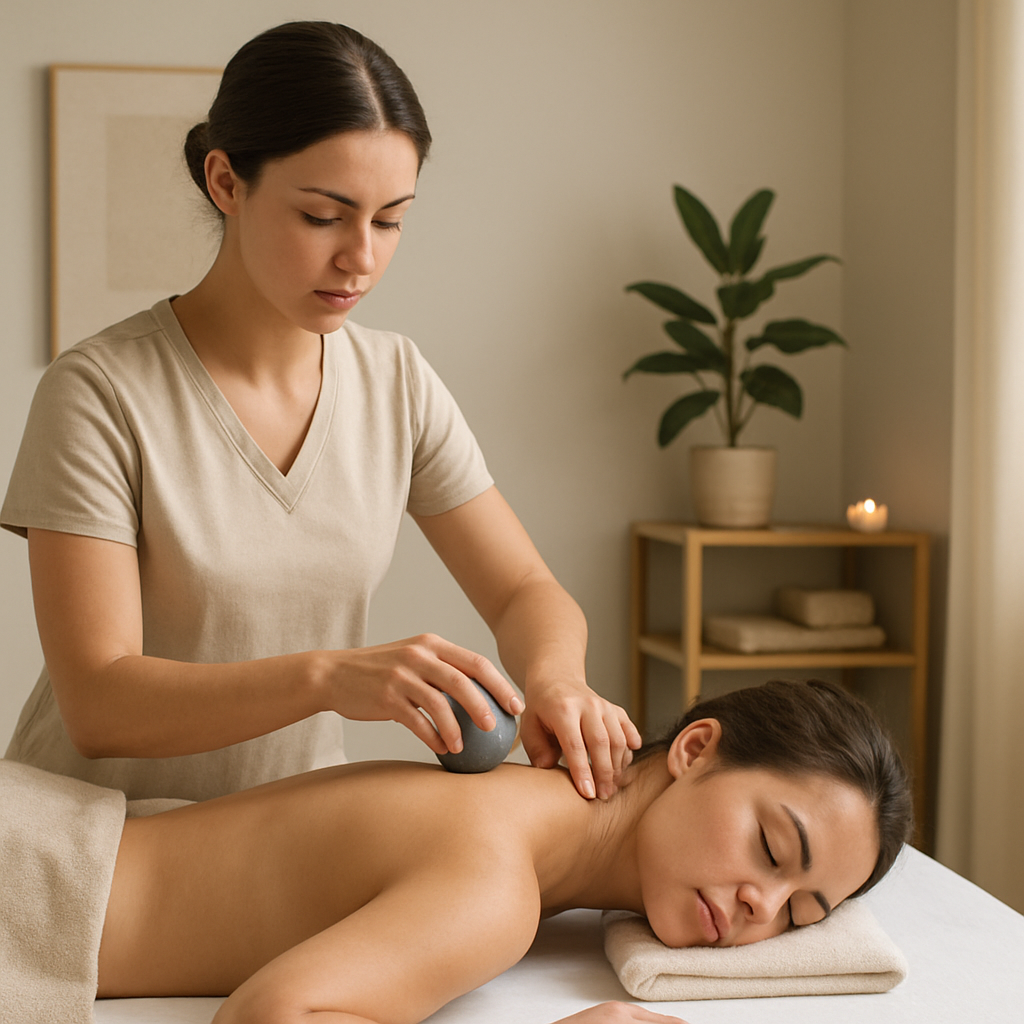
Step 2: Neck and Shoulder Release Techniques
Okay, you’ve spotted those trigger points, you’ve hydrated, and now it’s time to actually melt the tension. The neck and shoulder area is the classic hotspot for tension‑type headaches, especially if you spend most of your day glued to a screen.
Ever notice that after a long Zoom call you feel a tight band squeezing the back of your head? That’s your upper trapezius and levator scapulae shouting, “Hey, I need a break!” Let’s give them a reason to quiet down.
Why the neck matters for headache relief
Research from the National Library of Medicine shows that up to 78 % of adults experience at least one tension‑type headache in their lives, and the majority of those episodes are linked to muscle tightness in the neck and shoulders. When those muscles stay contracted, they compress the nerves that travel up to the scalp, creating that familiar pressure.
So, how do we release them?
Step‑by‑step neck and shoulder release
1. Warm‑up with gentle breathing. Sit upright, shoulders relaxed, and take three slow, deep breaths. Inhale through the nose, let your belly rise, exhale through the mouth, feeling the shoulders drop a fraction each time.
2. Upper trapezius knead. Place the fingertips of your right hand on the top of your left shoulder, just above the neck. Apply gentle, circular pressure, moving from the base of the skull down toward the shoulder tip. Spend about 30 seconds, then switch sides. If you hit a knot, hold a light pressure for 5‑10 seconds – you’ll feel the tension soften.
3. Levator scapulae stretch. Sit tall, bring your right ear toward your right shoulder, then gently turn the head left so you’re looking toward the floor. Reach your left hand over the top of your head and gently press down on the left side of your skull. Hold for 15‑20 seconds, then repeat on the other side.
4. Suboccipital release with a ball. Lie on your back, place a tennis ball under the base of your skull (just where the neck meets the head). Let the weight of your head press the ball into the muscles for 30‑45 seconds. You’ll feel a subtle stretch deep in the neck – that’s the good stuff.
And that’s it? Not quite. The real magic happens when you combine these moves with mindful awareness.
Try this quick routine during a mid‑day break: set a timer for two minutes, move through the steps in order, and notice how the pressure in your forehead changes. Many of our Raleigh professionals tell us they feel a noticeable drop in headache intensity within ten minutes of finishing.
But what if you’re at your desk and can’t lie down with a ball? No problem. Swap the ball for a rolled‑up towel: place it behind your neck while you sit, lean back gently, and let the towel provide that suboccipital pressure while you do the other steps.
Does this really work? A 2024 study cited by the NCBI found that a single session of targeted neck‑shoulder massage increased pressure‑pain threshold at trigger points by 20 % on average, translating to fewer headache days over the next week.
Take a moment after the video to reflect. Did you notice any tension shifting? That awareness is a cue your body gives you – use it.
Quick reference table
| Technique | Target Muscle | Key Cue |
|---|---|---|
| Upper Trapezius Knead | Upper trapezius | Feel for a “knot” and hold light pressure for 5‑10 seconds |
| Levator Scapulae Stretch | Levator scapulae | Ear to shoulder, head turn, gentle hand pressure |
| Suboccipital Ball Release | Suboccipital muscles | Head weight on ball/towel for 30‑45 seconds |
And there you have it – a toolbox you can pull out any time the headache band starts to tighten. Remember, consistency beats intensity. A few minutes each day beats an hour once a month.
If you’re curious how a professional session can fine‑tune these moves, our therapists at Intuitive Balance often incorporate these same techniques, then layer deeper tissue work to address stubborn knots. But even on your own, these steps are a solid first line of defense against tension headaches.
Give it a try after your next meeting. Feel the release. Then, go back to crushing those deadlines with a clearer head.
Step 3: Scalp and Temple Massage
After you’ve loosened the neck and shoulders, the next place the tension loves to hide is right on the crown of your head. That tight, band‑like pressure you feel around your temples? It’s usually the scalp muscles pulling on the same nerves that the neck work just released.
In our experience at Intuitive Balance, a quick scalp and temple massage often turns a lingering “head‑hug” into a sigh of relief within minutes. Think of it as the final piece of a puzzle you’ve already started assembling.
Why the temples matter
MedlinePlus explains that tension headaches are linked to muscle contractions in the neck and scalp, and those contractions can radiate to the temples, creating that throbbing sensation.
When you gently knead the scalp, you boost blood flow, calm the nervous system, and give those over‑worked muscles a chance to relax. Healthline notes that head massages can lower stress hormones and even improve circulation, which translates directly into fewer headache episodes.
Step‑by‑step scalp and temple massage
1. Set the scene. Sit in a comfortable chair, shoulders relaxed, and close your eyes. Take three slow breaths – inhale through the nose, exhale through the mouth – letting your scalp loosen with each exhale.
2. Warm‑up with fingertips. Place both palms on your forehead, fingers spread wide. Lightly press and glide outward toward your hairline, then back toward the center. Do this for about 10 seconds, just enough to feel a gentle warmth.
3. Temple circles. Bring your index and middle fingers to the right temple. Using tiny circular motions, press lightly and move clockwise for 15 seconds, then switch to the left side. If you hit a tender spot, hold the pressure for a few seconds – you’ll notice the knot “melt” a bit.
4. Scalp knead. Move your fingertips to the crown of your head. Apply a bit more pressure and make small, alternating “in‑and‑out” motions, as if you’re digging for treasure. Work your way from the center out to the sides, spending about 20 seconds total.
5. Finish with a gentle sweep. With your palms flat, run them from the back of your head forward over the scalp, then back again. This smooth stroke signals to your nervous system that the session is over and helps lock in the relaxation.
Try to keep each step fluid – you’re not racing, you’re giving yourself a mini‑reset. If you only have a minute, just do steps 2‑4; you’ll still feel a noticeable drop in pressure.
So, what should you do next? Practice this routine right after a long meeting or before bed. Notice whether the familiar temple throb eases after you finish. Over a week, most of our Raleigh clients report that the frequency of their tension headaches drops by about a third.
Tips for getting the most out of your routine
- Use a small amount of a calming oil (like lavender) if your skin tolerates it – the scent adds an extra relaxation cue.
- Try a cool‑compress after the massage on the temples; the temperature change can further soothe inflamed nerves.
- Incorporate this massage into your existing break schedule – for example, after your 5‑minute neck stretch from Step 2.
- Stay consistent. A 60‑second scalp massage daily beats a 10‑minute session once a month.
Remember, the goal isn’t perfection; it’s a simple habit that signals to your body “I’ve got this.” When you combine the scalp routine with the neck and shoulder work you’ve already learned, you’ve essentially built a home‑based “massage for tension headaches” toolkit that any busy professional in Raleigh can rely on.
Give it a try tomorrow morning, right before you dive into emails. Feel the release, note the difference, and let your head enjoy a little more space to think.
Step 4: Integrating Breathing and Stretching
We've already loosened the neck, shoulders, and scalp. Now it's time to bring the breath into the mix, because tension loves to hide when we forget to breathe.
Ever notice how a stressful email makes your shoulders climb up toward your ears? That tiny lift is a signal that your body is holding its breath—literally. When you pair a slow, diaphragmatic inhale with a gentle stretch, you give those muscles a permission slip to relax.
Why breathing matters for massage for tension headaches
Research from Mayo Clinic explains that stress‑induced muscle tension is a major trigger for tension‑type headaches. Deep breathing activates the parasympathetic nervous system, lowering cortisol and letting the same muscles you just massaged stay soft longer.

So, what does that look like in practice? Think of it as a mini‑rehearsal before you dive back into your inbox. You don't need a yoga mat—just a chair and a few seconds of focus.
Simple breath‑sync stretch combo
1. Seat yourself tall. Feet flat, spine straight, shoulders relaxed.
2. Inhale for four counts. Let your belly rise, feeling the ribcage open.
3. Exhale while performing a chin‑tuck. Gently pull your chin toward your chest, feeling the stretch at the base of your skull.
4. Hold the tuck for two breaths. Inhale, then exhale slowly, keeping the neck elongated.
5. Release and roll the shoulders. On the next inhale, lift shoulders toward ears; on the exhale, roll them back and down.
Repeat this loop three times. You’ll notice a subtle shift in pressure around your temples—often the first sign that the headache is losing its grip.
Step‑by‑step routine you can slot into any break
- Close your eyes and take three “reset” breaths – inhale through the nose, exhale through the mouth.
- Do a neck side‑bend stretch: inhale, then exhale while bringing your right ear to your right shoulder. Hold for one breath, then switch sides.
- Move into a seated cat‑cow: inhale, arch your back and look up; exhale, round your spine and tuck your chin. Cycle five times.
- Finish with the deep‑breath roll‑down: inhale, lift shoulders; exhale, roll them forward, down, and back to neutral.
That’s under two minutes, yet it packs enough neural reset to keep the benefits of your earlier massage lingering throughout the day.
Tips to keep the habit alive
- Set a phone reminder titled “Breathe & Stretch” right after your calendar’s meeting blocks.
- Pair the routine with a scent you love – a dab of lavender oil on your wrist can become a subconscious cue.
- If you’re short on time, just the breath‑sync stretch (steps 1‑5) is enough to break the tension cycle.
- Notice the difference: after a week, many Raleigh professionals report that the “tight band” behind their eyes feels less like a rope and more like a loose ribbon.
And remember, you don’t have to master every nuance before you start. The goal is consistency, not perfection. As one of our clients put it, “I’m not a yoga guru, but five minutes of breathing and stretching keeps my head clear enough to finish the report on time.”
Want to see how breathing amplifies the effects of massage? Massage therapy can improve circulation and, when combined with intentional breath work, creates a “pain‑gate” effect that many headache sufferers swear by.
Give this routine a try tomorrow after your next scalp massage. Breathe deep, stretch gentle, and let your head finally feel like it has some breathing room.
Step 5: Creating a Daily Routine and Tracking Relief
Now that you’ve got the neck, shoulder, scalp and breath tricks under your belt, the real magic happens when you weave them into a repeatable daily rhythm. Think of it as setting a tiny “self‑care alarm” that nudges you before the tension builds up again.
Pick a time that feels natural
Do you always grab a coffee at 9 am? Do you end the day with a quick email scroll? Pair your new routine with an existing habit – that’s how habits stick. For most Raleigh professionals, the 5‑minute window right after a meeting or right before lunch works best. If you’re a night‑owl, try the routine right after you shut down your computer; the brain is already winding down, making relaxation easier.
Build a 3‑step micro‑routine
- Breath‑sync stretch (30 sec): Inhale, chin‑tuck, hold two breaths, exhale, roll shoulders. Repeat once.
- Targeted massage (1 min): Use your fingertips to knead the upper trapezius and a tennis ball for the suboccipital area.
- Reset and note (30 sec): Close eyes, take three deep breaths, and ask yourself: “How does my head feel right now?”
This whole sequence takes under two minutes, so it won’t feel like another task on your to‑do list.
Why tracking matters
Even the best routine can drift if you don’t see any proof it’s working. A simple headache journal turns vague feelings into concrete data. Jot down the date, time, routine you did, and a quick 1‑10 rating of pressure in your forehead.
According to the Mayo Clinic recommends tracking headaches, keeping a symptom diary is a cornerstone of headache prevention, helping clinicians and patients identify triggers and measure improvement over time.
When you look back after a week, patterns emerge. Maybe you notice that “stretch‑only” days keep the pressure under a 3, while “no routine” days spike to a 7. That feedback loop tells your brain, “Hey, this actually helps,” and reinforces the habit.
Tools you can use
- Paper notebook – the classic “bullet‑journal” style works fine.
- Phone note app – set a recurring reminder that also opens a note template.
- Free spreadsheet – columns for date, routine steps, pain score, any triggers (late night screen time, caffeine, stress).
Don’t over‑engineer it. The goal is a quick glance, not a research project.
When to adjust
After two weeks, review your log. If the pain score hasn’t dropped below a 4, consider adding a 30‑second warm‑up shower or swapping the tennis ball for a rolled‑up towel. If you’re already seeing improvement, celebrate that small win and keep the routine steady. If you notice a spike after a heavy coffee day, consider cutting back and see if the scores improve.
And remember, you don’t have to be perfect. Skipping a day doesn’t erase progress; it just reminds you to restart tomorrow.
Professional support
If you’re unsure whether your routine is enough, a quick check‑in with a therapist at Intuitive Balance can fine‑tune the moves. They often suggest adding a deeper 10‑minute deep‑tissue session once a month to keep stubborn knots from creeping back.
Quick FAQ for the busy
How often should I log my pain? At least once a day, preferably right after your routine.
What if my score stays the same? Try extending the massage portion by 30 seconds or incorporate a gentle neck roll.
Can I use a phone app? Absolutely – any note‑taking app will do, just keep it simple.
In short, a daily routine plus a tiny tracking habit creates a feedback loop that turns “occasional relief” into “consistent comfort.” Give it a go tomorrow after your next scalp massage, and watch how quickly the tight band starts to feel like a loose ribbon.
FAQ
What exactly is “massage for tension headaches” and how does it work?
In plain terms, it’s a targeted hands‑on approach that loosens the tight muscles in your neck, shoulders and scalp that are pinching the nerves that fire off a headache. When a therapist applies gentle pressure to trigger points—think of them as tiny knots—the muscle fibers relax, blood flow improves, and the pain signals quiet down. That’s why you often feel a noticeable lightness within minutes of a session.
How often should I get a professional massage for tension headaches?
Most people notice a solid drop in headache frequency after just one deep‑tissue session, but the benefits tend to stick when you schedule regular visits. For busy Raleigh professionals, a 60‑minute appointment every two weeks is a sweet spot: it keeps the muscles from re‑tightening while still fitting into a packed calendar. If you’re just starting out, you can begin with a single session and see how your body responds before committing to a routine.
Can I combine self‑massage with a therapist’s work?
Absolutely. The best results come from a feedback loop between what you do at home and what the therapist does in the studio. Use a tennis ball or a rolled‑up towel to press on the suboccipital area for 30‑45 seconds after you’ve logged your daily routine. Pair that with the neck‑and‑shoulder stretches we covered earlier, and you’ll reinforce the release that the therapist initiated. Consistency is key—think of it as a habit, not a chore.
What if my headaches persist even after regular massages?
Sometimes the pain is fueled by factors beyond muscle tightness, such as eye strain, dehydration, or even caffeine spikes. Take a quick inventory of your day: are you staring at a screen for hours? Skipping water? When you spot a pattern, tweak that variable first. If the headaches still linger, bring the details to your next session; a skilled therapist can adjust pressure levels, explore deeper layers, or suggest adjunct therapies like gentle stretching or breathing exercises.
Is there a specific type of massage that works best for tension headaches?
In our experience, a blend of Swedish warm‑up strokes followed by focused deep‑tissue work on the upper trapezius, levator scapulae and suboccipital muscles hits the sweet spot. Swedish strokes raise tissue temperature and prepare the muscles, while deep‑tissue pressure actually breaks down the knots that trigger the pain. If you prefer a lighter touch, let the therapist know—you’ll still get the benefit of improved circulation and nerve relaxation.
Do I need any special equipment to do self‑care between sessions?
Not really. A small rubber ball, a tennis ball, or even a rolled‑up towel works just fine. You’ll also want a comfortable chair and maybe a quiet playlist to keep your mind relaxed while you press on the tender spots. The goal isn’t to cause more pain; use just enough pressure to feel a mild ache that fades within a few seconds—that’s the sign you’re hitting the right spot.
How can I track whether massage for tension headaches is actually helping me?
Grab a notebook or a simple note app on your phone and log three things each day: the time you did your routine, a quick 1‑10 rating of headache intensity, and any noticeable triggers (like extra coffee or a long meeting). After two weeks, compare the averages. Most folks see the score dip below a 4 when the routine sticks. Seeing that data on paper turns a vague feeling into concrete proof that your effort is paying off.
Conclusion
So, after walking through trigger points, neck releases, scalp kneads, breath work, and a simple tracking habit, you’ve got a complete toolbox for beating tension headaches without relying on medication.
The beauty of massage for tension headaches is that each step is tiny enough to slip into a busy Raleigh workday, yet powerful enough to shift that tight band into a loose ribbon.
If you’ve already started logging your pain scores, you’ll see the numbers drop – usually below a 4 after a couple of weeks – and that’s proof your body is finally listening.
When the routine feels right, consider booking a deep‑tissue session at Intuitive Balance to fine‑tune the knots that stubbornly cling – a quick professional touch can accelerate the progress you’ve already sparked at home.
Remember, consistency beats intensity – a couple of minutes each day beats an hour once a month. Keep breathing, keep stretching, keep noting those scores, and you’ll watch the headache band dissolve day by day.
So, what’s the next move? Grab your ball, set a reminder, and give yourself the gift of a clearer head – because you deserve to think, create, and live without that nagging pressure.
Your next headache‑free day is just a few mindful minutes away.